Blog · Medical Software
Medical Software Development in 2026: Key Trends, Technologies, and Industry Priorities (Part 1)
Healthcare's digital transformation makes medical software one of the fastest-growing areas of 2026. Cordus reviews the first three trends — intelligent software, medical signal processing and mission-critical reliability.
The healthcare industry continues to accelerate its digital transformation, making medical software one of the fastest-growing areas of technology development in 2026. Hospitals, clinics, laboratories, diagnostic centers, and healthcare providers are investing in digital solutions that improve patient care, optimize workflows, enhance data security, and support regulatory compliance.

From Electronic Health Records (EHRs) and PACS systems to medical signal processing and e-prescription platforms, healthcare organizations require software that is not only innovative but also secure, reliable, and compliant with strict industry standards.
Let's explore the major medical software trends shaping the industry in 2026. Cordus begins with the top 3 trends today. Stay tuned for more insights described in our next blog articles.
Trend #1: Medical Software Is Becoming More Intelligent
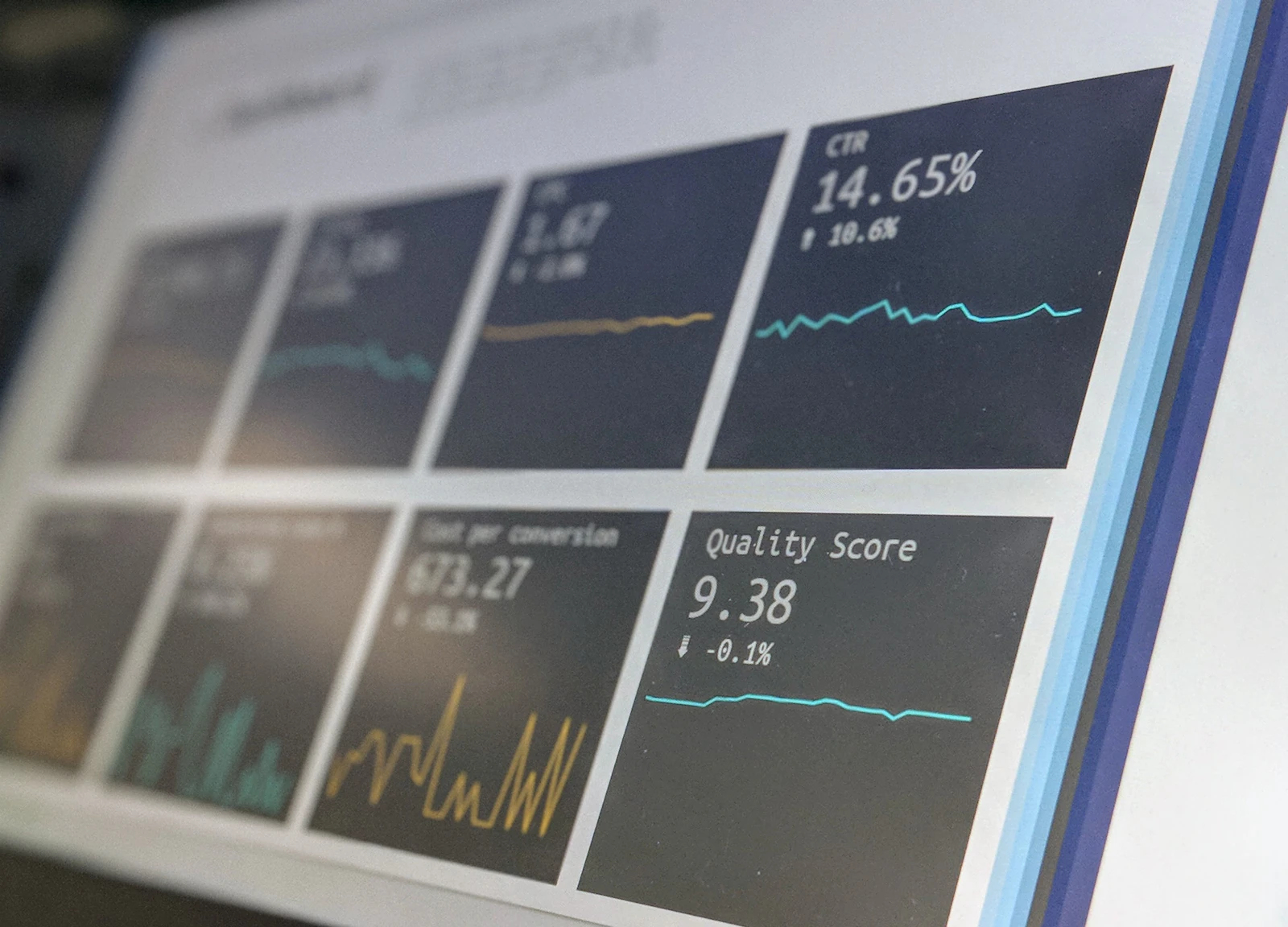
Artificial intelligence is no longer an optional feature — it is becoming an integral part of modern healthcare software. AI-powered applications assist clinicians by analyzing medical data, identifying abnormalities, supporting diagnostics, and automating administrative tasks.
Common AI applications include:
- Clinical decision support
- Predictive analytics
- Medical image analysis
- Workflow automation
- Patient risk assessment
- Intelligent scheduling and resource management
AI supports medical professionals rather than replacing their clinical expertise.
Trend #2: Medical Signal Processing Is Reaching a New Level
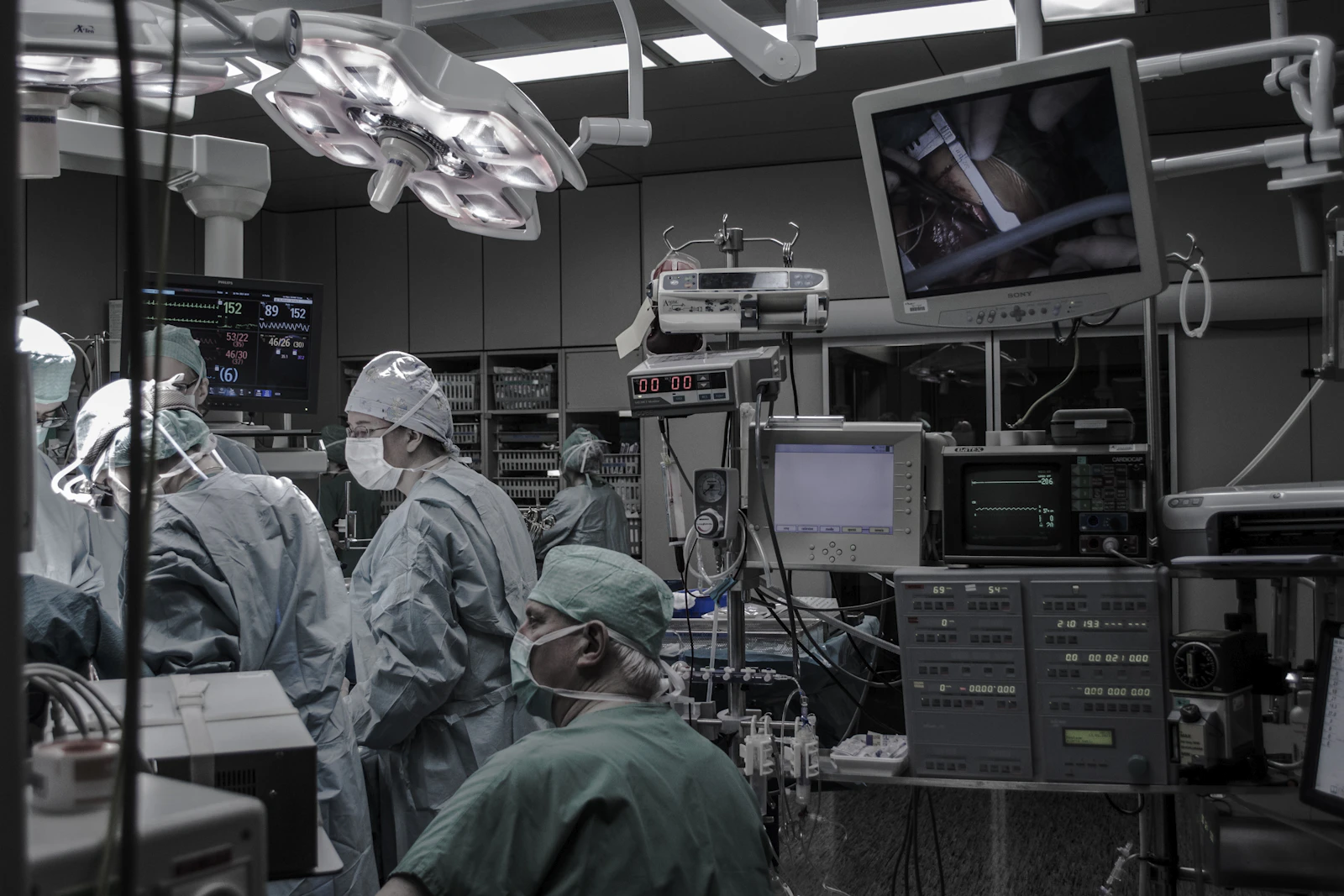
Medical devices generate enormous amounts of physiological data every second. In 2026, software solutions for processing medical signals are becoming increasingly sophisticated, allowing healthcare professionals to make faster and more accurate decisions.
Popular medical signal processing solutions include:
- HEMO monitoring systems
- ECG analysis software
- Patient monitoring platforms
- Real-time vital sign analytics
- Remote monitoring applications
Advanced algorithms help detect irregularities earlier, reduce false alarms, and improve clinical response times. Cloud connectivity also enables specialists to monitor patients remotely while maintaining secure access to critical information.
Trend #3: Mission-Critical Medical Systems Demand Higher Reliability
Healthcare software often operates in environments where software failures are unacceptable. Mission-critical systems continue to require rigorous development processes, comprehensive testing, and full regulatory compliance.
Medical software classified under FDA Class II or certified under European CE requirements typically includes:
- Diagnostic devices
- Patient monitoring equipment
- Laboratory systems
- Clinical workflow software
- Connected medical devices
Development teams increasingly adopt secure software development lifecycles, automated testing, cybersecurity-by-design principles, and detailed documentation to satisfy regulatory requirements while maintaining system reliability.
To Sum Up: Looking Ahead
Medical software development in 2026 extends far beyond digitizing healthcare records. Today's solutions combine artificial intelligence, advanced medical signal processing, cloud computing, cybersecurity, interoperability, and regulatory compliance to support safer, faster, and more efficient patient care.
Cordus is ready to share more and more insights related to development of medical software. We will be glad to become your reliable IT service provider. Ask our managers for detailed information, and let's start our fruitful cooperation! Wait for the second part — a new blog post will review other trends in the context of healthcare software in 2026.
Key takeaways
- AI is becoming integral to healthcare software — supporting diagnostics, analytics and automation, not replacing clinicians.
- Medical signal processing is advancing fast, enabling earlier detection, fewer false alarms and secure remote monitoring.
- Mission-critical systems (FDA Class II, CE) demand rigorous testing, documentation and cybersecurity-by-design.
- Reliable medical software blends AI, signal processing, cloud, security, interoperability and regulatory compliance.
Read next